

Wicketkeeping Tips to Improve Reflexes & Skills
The wicketkeeper is the heartbeat of any cricket fielding unit. You are involved in every single delivery. Your energy often dictates the fielding team’s morale. However, one split second can define your game. A missed stumping or a dropped catch can turn the match in the opposition's favor. That is why learning specific wicketkeeping tips to improve reflexes is crucial for your development.
Many young cricketers focus solely on batting or bowling. They forget that wicketkeeping requires a specialized skillset. It demands elite fitness, intense concentration, and lightning-fast hands. Whether you are standing up to the spinners or standing back for the pacers, your reaction time must be impeccable.
In this guide, we will explore practical techniques, physical drills, and mental strategies. These methods will help you stay sharp behind the stumps. By mastering these wicketkeeping tips to improve reflexes, you can elevate your game and become a match-winner for your team.
The Foundation of Fast Reflexes
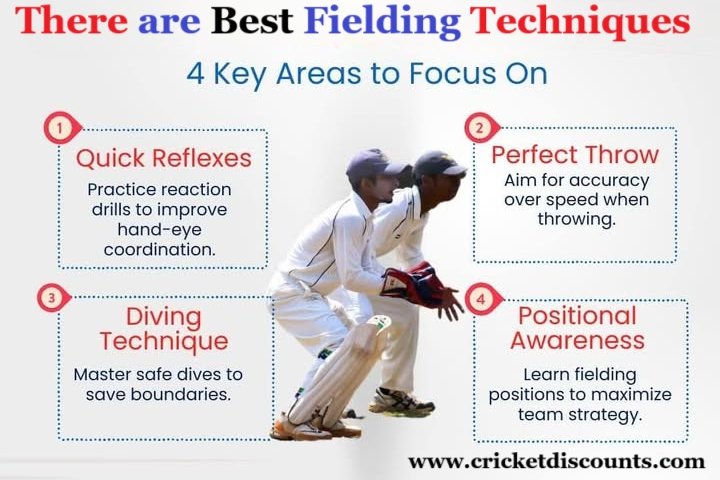
Before jumping into advanced drills, you must correct your basics. Your body position determines how quickly you can move. If your stance is rigid, your reflexes will suffer.
1. Perfecting the Stance
Your stance provides the base for all movement. Keep your feet shoulder-width apart. This width offers stability and allows for explosive movement in either direction. Your weight should be on the balls of your feet, not your heels. This ensures you are ready to spring into action instantly.
A common mistake is squatting too low or staying too high. Find a comfortable middle ground where your knees are flexed but not strained. This posture allows your muscles to fire rapidly when the ball takes an edge. Implementing these foundational wicketkeeping tips to improve reflexes starts with how you stand before the ball is even bowled.
2. Head Position and Eye Level
Your hands will follow your eyes. If your head is unstable, your vision blurs. Keep your head still as the bowler delivers the ball. Ensure your eyes are level. This helps you judge the flight and trajectory accurately.
Watch the ball into your gloves. This sounds simple, but many keepers look up too early. By tracking the ball until it hits the webbing of your gloves, you reduce fumbles. This habit improves your overall consistency and is one of the most vital wicketkeeping tips to improve reflexes you can learn.
3. The 'Soft Hands' Technique
Great keepers make catching look effortless. They catch with "soft hands." This means withdrawing your hands slightly upon impact to absorb the ball’s momentum. Hard hands lead to the ball popping out.
When you practice soft hands, you actually improve your reaction time for second chances. If the ball bobbles, soft hands keep it close to your body. Hard hands tend to push the ball away. This control is essential for creating stumping opportunities and taking sharp catches.
Top Wicketkeeping Drills for Speed
Drills bridge the gap between theory and match performance. You need to train your brain to react faster than conscious thought. Here are specific drills to sharpen your reactions.
The Deflection Ramp Drill
Unexpected bounces are a keeper’s nightmare. You can turn this challenge into a strength using a deflection ramp.
- The Setup: Place a deflection ramp (or a specialized cricket reaction ramp) between you and the thrower.
- The Drill: Have a partner throw tennis balls or cricket balls at the ramp.
- The Goal: React to the random deviation of the ball.
- Why it works: The unpredictable bounce forces your brain to process visual information instantly. This mimics edge scenarios where the ball diverts off [Cricket Bats] unexpectedly. Regularly practicing this drill is one of the most effective wicketkeeping tips to improve reflexes.
The Reaction Ball Challenge
Reaction balls are unevenly shaped rubber balls. They never bounce straight.
- Solo Drill: Stand facing a wall. Throw the reaction ball against the wall and catch it on the rebound.
- Partner Drill: Have a coach drop the ball from shoulder height. You must catch it before it bounces a second time.
- Why it works: This improves hand-eye coordination and agility. It forces you to stay low and adjust your body weight rapidly.
Shadow Keep-Up
This is a fun warm-up that builds focus.
- The Drill: Stand in your keeping stance. Have a partner throw a tennis ball at you rapidly from close range (3–4 meters).
- The Goal: You should not catch the ball. Instead, deflect it with your gloves back to the thrower.
- Why it works: This builds rhythm and activates your "fast-twitch" muscle fibers.
To perform these drills safely and effectively, ensure you have the right gear. Check out our range of Cricket Training Equipment to find reaction balls and deflection ramps.
Enhancing Match Awareness
Reflexes are physical, but awareness is mental. The best keepers can predict what will happen next.
Reading the Batsman
You have the best seat in the house. Watch the batsman’s footwork.
- Front foot press: Usually indicates a drive. Expect the ball to come low or carry through to standard height.
- Back foot movement: Indicates a pull or cut. Prepare for the ball to rise.
- Dancing down the track: Be ready for a stumping.
Anticipation is distinct from guessing. Anticipation relies on cues; guessing relies on luck. Good awareness allows you to move into position slightly earlier, making your reflexes seem even faster.
Vocal Leadership
You must command the field. By calling out field adjustments and encouraging the bowler, you stay engaged. A quiet keeper is often a distracted keeper. Staying vocal keeps your mind switched on. When your mind is active, your physical reaction times improve.
Analyzing the Pitch
Keepers must assess how the pitch is behaving. Is there uneven bounce? Is it turning square? If the bounce is low, stay lower in your crouch. If the bounce is steep, rise with the ball. Adjusting your technique based on conditions is a hallmark of an intelligent player.
Mental Strategies for Concentration
A Test match day is long. Maintaining peak focus for 90 overs is tough.
- Switch On, Switch Off: You cannot concentrate fully for six hours straight. Relax between deliveries. Joke with the slips. Look at the crowd. But as the bowler turns to their mark, switch on.
- The Breath Reset: If you make a mistake, take a deep breath. holding onto errors creates tension. Tension slows down your reflexes. Let it go immediately.
- Visualization: Visualize taking a screamer of a catch. Positive mental imagery primes your brain for success.
Gear That Helps You Succeed
Your equipment affects your agility. Heavy pads can slow you down. Poorly fitting gloves reduce tactile feedback.
- Wicketkeeping Pads: Look for lightweight foam pads. They allow you to move laterally much faster.
- Inner Gloves: Always wear quality chamois or cotton inners. They absorb sweat and prevent your gloves from slipping on your hands. Snug fit is crucial for handling the ball cleanly.
- Footwear: Spikes with good grip are non-negotiable. You need traction to push off for a dive.
If you are using old or worn-out gear, you are making your job harder. Upgrading your kit can sometimes offer an instant performance boost.
High-quality inner gloves and lightweight pads make a huge difference. Browse our collection of Cricket Accessories to upgrade your match-day kit.
Common Mistakes to Avoid
Even experienced players fall into bad habits. Here are traps that ruin reflexes.
1. Snatching at the Ball
When you are anxious, you might "snatch" at the ball—closing your gloves before the ball arrives. This results in hard hands. Trust your eyes and let the ball come to you.
2. Rising Too Early
Against medium pacers or spinners, some keepers stand up too fast. This blinds them to low bounces. Stay in your crouch until you judge the bounce correctly. Staying low is one of the simple wicketkeeping tips to improve reflexes that also saves bye runs.
3. Ignoring Physical Fitness
Wicketkeeping is demanding. You need a strong core and flexible hips. If your muscles are tight, your reaction speed drops. Incorporate yoga and core strength exercises into your weekly routine.
Pro Tips for Competitive Keepers
- Watch the Bat's Bottom Hand: The batsman's bottom hand dictates power and direction. Watching it gives you a millisecond advantage.
- Train with Wet Balls: Balls skid faster and are harder to grip when wet. Training in difficult conditions makes match days feel easier.
- Use Multi-Colored Balls: Paint cricket balls with different colors. Have a partner throw them. You must call out the color before catching. This trains your visual processing speed.
By consistently applying these wicketkeeping tips to improve reflexes, you will see a noticeable difference in your training and match performance.
Summary
Improving your wicketkeeping is a journey of consistency. It combines physical agility with mental sharpness. Remember to maintain a stable stance and keep your head still. Use drills like the reaction ball and deflection ramp to challenge your nervous system.
Always stay switched on mentally and lead your team with energy. Do not underestimate the value of quality gear, from your gloves to your pads.
With dedication to these techniques, your hands will get faster, and your catches will stick.
Start incorporating these wicketkeeping tips to improve reflexes into your next training session. The effort you put in today will lead to the stumpings and catches that win matches tomorrow.
Looking for the best bats to test your bowlers in the nets? Check out our range of professional Cricket Bats available now.
Frequently Asked Questions (FAQ)
Q: How often should I practice wicketkeeping drills?
A: You should practice specific wicketkeeping drills at least 2–3 times a week. Consistency is key to building muscle memory. Combine 15–20 minutes of high-intensity reflex drills with your regular net sessions.
Q: Can these wicketkeeping tips to improve reflexes help older players?
A: Yes, absolutely. While natural reaction speed may decline slightly with age, technique and anticipation often matter more. Improved reading of the game can compensate for raw speed.
Q: What is the most important physical attribute for a wicketkeeper?
A: Agility and core strength are vital. You need explosive power in your legs to dive and strong core muscles to maintain good posture for long periods.
Q: Do reaction balls really work for cricket?
A: Yes. Reaction balls are excellent because they mimic the unpredictability of a cricket ball hitting a crack in the pitch or taking a deflection. They force you to watch the object until the very last moment.
Q: Why do I keep dropping catches down the leg side?
A: Leg-side misses often happen because of poor footwork. You might be diving without moving your feet first. Ensure you shuffle quickly to get your head in line with the ball before reaching for it.
Explore reliable cricket equipment and training gear at CricketDiscounts.com to take your game to the next level. Follow our Telegram channel for cricket tips, gear updates, and discounts.




Leave a comment